Frequently Asked Questions
What services are offered by Spooner Healths Emergency Department?
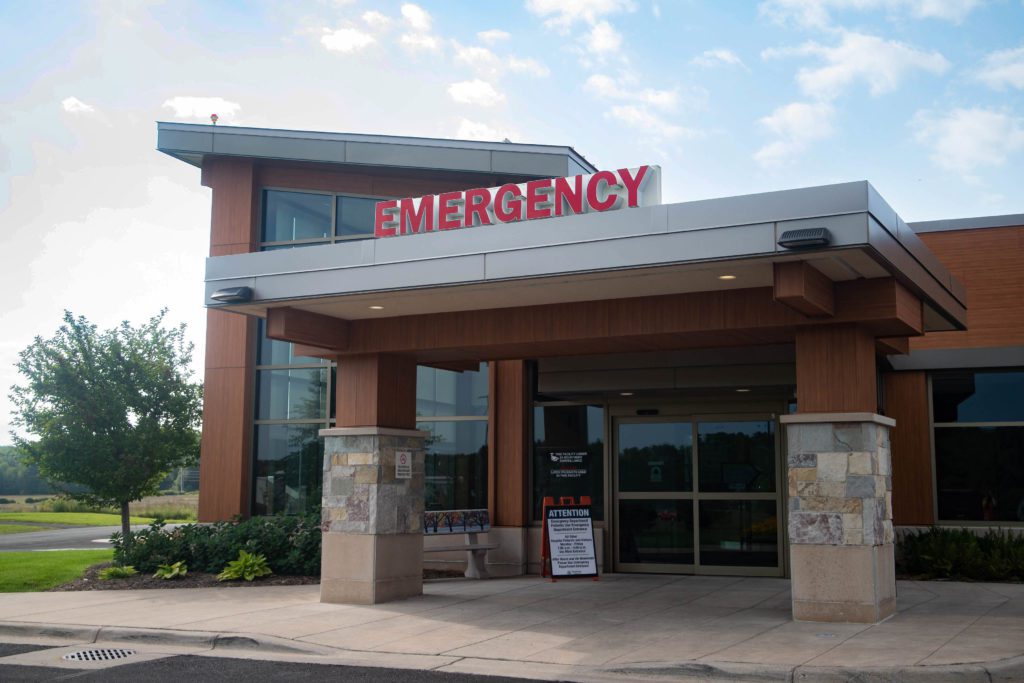
The services offered by Spooner Health's Emergency Department include 24/7 emergency medical care, trauma services, on-site diagnostic testing, and access to private patient rooms and trauma rooms for comprehensive patient management.
What should I bring when visiting the emergency department?
When visiting the emergency department, you should bring a valid ID, insurance information, a list of current medications, and any relevant medical history. It's also helpful to have a support person with you if possible.
What can I expect upon arrival at Spooner Healths Emergency Department?
Upon arrival at Spooner Health's Emergency Department, you can expect a prompt assessment by our medical team, efficient triage based on the severity of your condition, and access to comprehensive emergency services in a welcoming environment.
What types of emergencies does Spooner Health handle?
Spooner Health handles a wide range of emergencies, including trauma cases, medical emergencies, and urgent care needs. Our Level IV Trauma Center is equipped to provide comprehensive care 24/7 for various critical situations.
Are there pediatric services available at Spooner Health?
Spooner Health offers pediatric services to ensure comprehensive care for children in need of emergency medical attention. Our team is equipped to handle various pediatric cases, providing specialized support and treatment.
How can I contact Spooner Healths Emergency Department?
You can contact Spooner Health's Emergency Department by calling their main phone number at [insert phone number here]. For immediate assistance, please visit the department in person, as they are open 24/7.
What are the operating hours of Spooner Health?
The operating hours of Spooner Health are 24 hours a day, seven days a week, ensuring that emergency medical services are always available when you need them.
Is there a wait time estimate for emergencies?
Wait time estimates for emergencies can vary based on the severity of cases and the number of patients. For the most accurate information, please contact Spooner Health's Emergency Department directly upon your arrival.
What diagnostic services are available on-site?
The diagnostic services available on-site at Spooner Health's Emergency Department include advanced imaging technologies such as X-rays, CT scans, and ultrasounds, as well as laboratory testing for quick and accurate results.
How does Spooner Health ensure patient privacy?
Spooner Health ensures patient privacy through strict adherence to HIPAA regulations, secure handling of medical records, and the implementation of advanced technology to protect sensitive information, ensuring confidentiality at all stages of care.
Are there any special accommodations for disabled patients?
Special accommodations for disabled patients are available at Spooner Health's Emergency Department. Our facilities are designed to ensure accessibility, including wheelchair access, designated parking, and support services to assist patients as needed.
What trauma care protocols does Spooner Health follow?
Spooner Health follows established trauma care protocols that prioritize rapid assessment, stabilization, and treatment of patients. These protocols ensure effective management of traumatic injuries, leveraging a team of skilled professionals and advanced resources available in our Level IV Trauma Center.
Can I receive follow-up care after my visit?
Follow-up care is available after your visit to Spooner Health's Emergency Department. Our team will provide instructions and referrals to ensure you receive the necessary ongoing treatment.
What insurance plans are accepted at Spooner Health?
Spooner Health accepts a variety of insurance plans, including Medicare, Medicaid, and several private insurance providers. For the most accurate and up-to-date information, please contact our billing department directly.
How do I prepare for an emergency visit?
Preparing for an emergency visit involves bringing essential items such as identification, insurance information, a list of medications, and any relevant medical history. Additionally, remain calm and follow any instructions provided by emergency staff upon arrival.
Are there any visitor restrictions in the emergency department?
Visitor restrictions in the emergency department are in place to ensure patient safety and care. Typically, only a limited number of visitors are allowed at a time, and specific guidelines may vary based on the situation.
What amenities are available for waiting family members?
Amenities available for waiting family members include comfortable seating areas, access to Wi-Fi, and vending machines for snacks and beverages. Additionally, there are restrooms nearby for convenience.
How does Spooner Health handle critical care situations?
Spooner Health effectively manages critical care situations through its 24/7 emergency services, utilizing a dedicated team of healthcare professionals and advanced medical technology to provide prompt and comprehensive trauma care in its Level IV Trauma Center.
What is the process for triaging patients?
The process for triaging patients involves assessing their medical needs upon arrival to determine the urgency of care required. Patients are categorized based on the severity of their conditions, ensuring that those in critical need receive immediate attention.
Are there any community health programs offered?
Spooner Health offers various community health programs aimed at promoting wellness and preventive care. These programs include health screenings, educational workshops, and support groups designed to enhance the health of our community.
How can I provide feedback about my experience?
Providing feedback about your experience is easy. You can share your thoughts by contacting Spooner Health's Emergency Department directly through our website or by calling us. Your feedback is valuable in helping us improve our services.
What should I do if I have a non-emergency?
If you have a non-emergency, you should seek care at a primary care physician's office or an urgent care facility. These options can provide appropriate treatment without the wait associated with emergency services.
Are there any educational resources for patients?
Educational resources for patients are available through Spooner Health, including informational materials about emergency services, health conditions, and treatment options to help patients make informed decisions about their care.
How does Spooner Health support mental health emergencies?
Spooner Health supports mental health emergencies by offering immediate access to trained professionals who provide assessment, intervention, and crisis management services, ensuring patients receive the care they need in a compassionate and timely manner.
What is the role of the emergency medical team?
The role of the emergency medical team is to provide immediate medical care and stabilization for patients experiencing acute health crises, ensuring timely treatment and safe transport to the appropriate medical facility.
How can I access my medical records after treatment?
Accessing your medical records after treatment is straightforward. You can request them through the Spooner Health patient portal or by contacting our medical records department directly for assistance.
What safety measures are in place during a visit?
The safety measures in place during a visit include thorough sanitation protocols, mandatory mask-wearing, social distancing guidelines, and trained staff to ensure a secure environment for all patients and visitors.
Are there any upcoming health events at Spooner Health?
Upcoming health events at Spooner Health are regularly scheduled and designed to promote community wellness. For the latest information on these events, please visit our website or contact the health department directly.
How does Spooner Health collaborate with local hospitals?
Spooner Health collaborates with local hospitals through coordinated patient care, sharing resources, and transferring patients when specialized services are needed, ensuring seamless access to comprehensive emergency and trauma services for the community.
What training do emergency staff members receive?
Emergency staff members receive extensive training, including certifications in Advanced Cardiac Life Support (ACLS), Pediatric Advanced Life Support (PALS), and trauma care protocols, ensuring they are well-prepared to handle critical situations effectively.